

.40 cal vs 9mm: A Complete Comparison for Self Defense
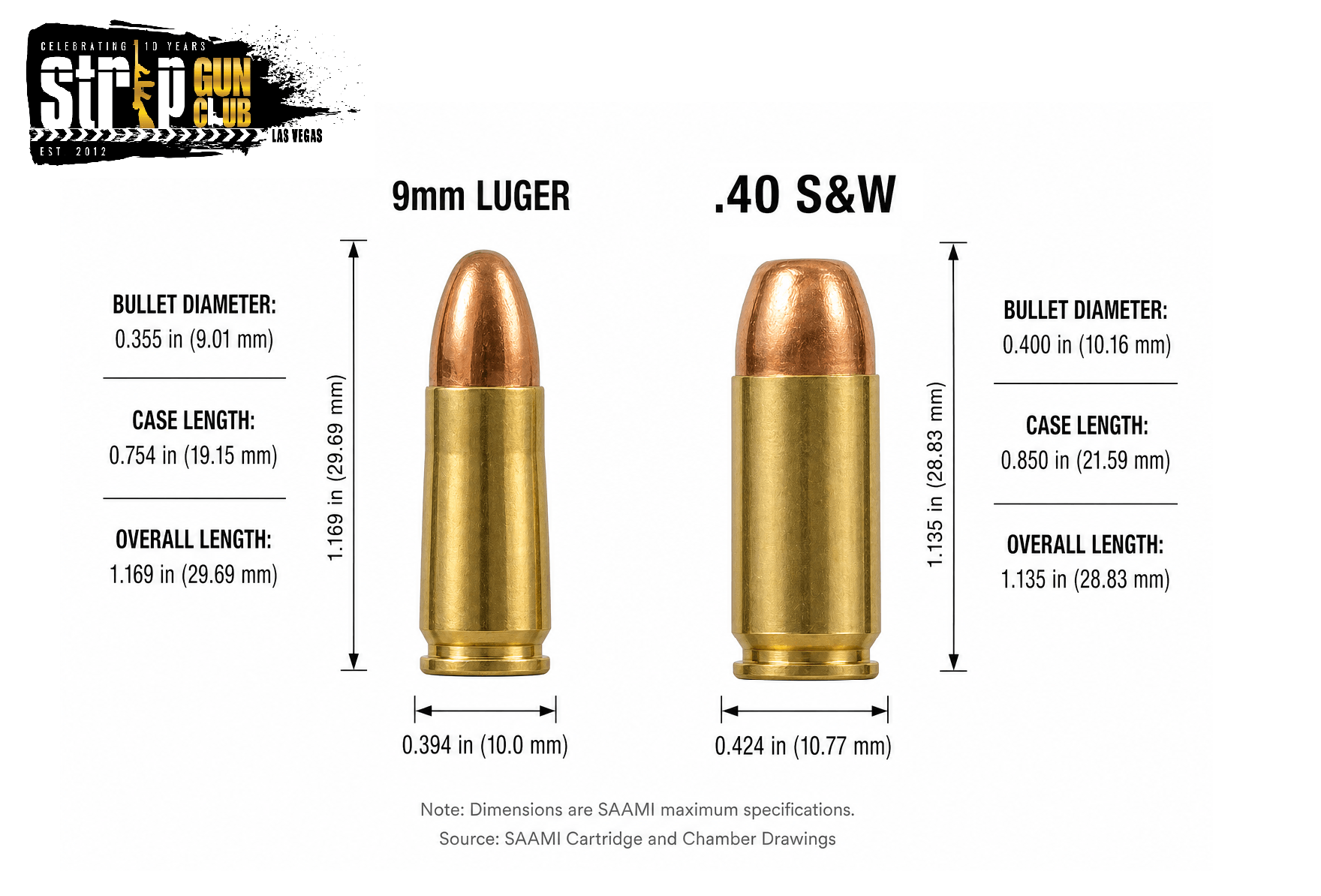
The debate over 40 cal vs 9mm has raged among shooters, gun owners, and law enforcement professionals for nearly four decades. Whether choosing a handgun for personal protection or at a shooting range, the choice between them comes down to several factors, including stopping power, recoil, magazine capacity, and overall shootability. Understanding the key differences between these popular handgun calibers can help you make an informed decision about which cartridge best suits your needs.
A Brief History of Both Calibers
The 9mm Luger, also known as the 9x19mm Parabellum, has been around since 1901 and is one of the most widely used handgun ammunition cartridges in the world. The .40 S&W, by comparison, is a relatively new cartridge, developed in 1990 by Smith & Wesson in collaboration with Winchester. The .40 S&W was created specifically to address the needs of the Federal Bureau of Investigation after a tragic 1986 Miami shootout where two FBI agents were killed. The federal bureau initially adopted the 10mm Auto, but found it too powerful for many agents to control. The .40 S&W emerged as a compromise, offering similar terminal performance to the 10mm but in a package that fit in handgun frames originally designed for the 9mm.
For years after its introduction, the .40 S&W enjoyed high demand among police agencies and civilian shooters alike. The cartridge was seen as offering a meaningful upgrade in stopping power compared to the 9mm without the punishing recoil of larger calibers like the .45 ACP. For more than two decades, the .40 S&W was the dominant duty cartridge for American law enforcement.
9mm vs .40 S&W – Bullet Comparison and Ballistics
The most obvious difference between these cartridges comes down to bullet diameter and bullet weight. The 9mm fires a 0.355-inch projectile typically weighing between 115 and 147 grains, while the .40 S&W launches a larger diameter bullet (0.400 inches) that generally weighs between 155 and 180 grains. The 9mm typically achieves higher velocity – around 1,150 feet per second for a 124-grain load – while the heavier .40 S&W bullet travels at a lower velocity of roughly 1,000 feet per second.
| Specification | 9mm Luger | .40 S&W |
|---|---|---|
| Full Name | 9mm Luger (9x19mm Parabellum) | .40 Smith & Wesson |
| Designed | 1901 | 1990 |
| Designer | Georg Luger (DWM) | Smith & Wesson / Winchester |
| Bullet Diameter | 0.355″ (9.01mm) | 0.400″ (10.16mm) |
| Case Length | 0.754″ (19.15mm) | 0.850″ (21.59mm) |
| Overall Length | 1.169″ (29.69mm) | 1.135″ (28.83mm) |
| Case Type | Tapered, rimless | Straight-walled, rimless |
| Typical Bullet Weight | 115–147 gr | 155–180 gr |
| Muzzle Velocity | ~1,050–1,250 fps | ~950–1,150 fps |
| Muzzle Energy | ~340–400 ft-lbs | ~400–500 ft-lbs |
| Max Pressure (SAAMI) | 35,000 psi (38,500 +P) | 35,000 psi |
| Standard Capacity (full-size) | 17+1 (Glock 17) | 15+1 (Glock 22) |
| Felt Recoil | Mild, manageable | Sharp, snappy |
| Common Pistols | Glock 17/19, SIG P365, S&W M&P9 | Glock 22/23, SIG P229, S&W M&P40 |
| Use Case | Self defense, duty, concealed carry, training | Self defense, duty, hunting small game |
| Practice Ammo Cost (per round) | $0.20–$0.35 | $0.30–$0.50 |
| Defensive Ammo Cost (per round) | $0.80–$1.50 | $1.00–$1.75 |
The heavier bullet of the .40 S&W carries more energy on impact and creates a slightly larger wound channel. This larger bullet has historically been associated with better terminal performance, particularly when passing through barriers or heavy clothing. The .40 S&W also tends to penetrate more consistently in ballistic gelatin tests when factoring in adequate penetration requirements set by the FBI.
Terminal Ballistics: Then and Now
However, modern 9mm ammunition has changed the equation significantly. Significant advancements in bullet design over the past two decades have closed much of the gap in terminal ballistics between the two cartridges. Modern hollow-point 9mm rounds expand reliably and reach the FBI’s standards, making the 9mm a much more capable defensive round than it was in the 1990s.
Stopping Power: The Heart of the Debate
Stopping power is perhaps the most contested topic when comparing 9mm vs 40 caliber. In theory, the .40 S&W delivers more energy on target, with a typical 180-grain load producing around 400-450 foot-pounds of muzzle energy compared to the 9mm’s 350-400 foot-pounds with a 124-grain load. This extra energy translates to a slightly larger wound cavity and more momentum carried into the target.
But raw numbers don’t tell the whole story when it comes to stopping power. What actually stops a threat is shot placement, blood loss from damage to vital organs, and central nervous system disruption. A well-placed 9mm round will outperform a poorly aimed .40 S&W round every time. The FBI’s own research, which prompted them to switch back to the 9mm in 2014, concluded that shot placement matters far more than caliber when it comes to terminal effectiveness in 9mm vs 40 testing.
In a real self defense scenario, the shooter’s ability to deliver accurate hits under stress is the deciding factor. This is where the 9mm vs 40 debate gets interesting, because the 9mm’s lower recoil makes it easier to place rounds precisely under stress, landing hits where they matter. Real-world stopping power comes from putting bullets into the parts of an attacker’s body that actually disable them, and that requires a handgun you can control well under pressure.
Recoil and Controllability
One of the most practical key differences between these cartridges is felt recoil. The .40 S&W produces noticeably higher recoil than the 9mm, which translates to increased muzzle rise and slower follow up shots. Many shooters describe the recoil of the .40 S&W as a sharp, snappy push, while the 9mm offers a softer, more manageable impulse.
For new shooters, the 9mm’s less recoil makes it far easier to learn proper fundamentals. Even experienced shooters benefit from the lower recoil of the 9mm, which allows for faster follow up shots and better accuracy during rapid fire. When you need multiple shots quickly to stop a threat, the 9mm’s reduced recoil gives a real edge.
Lighter bullets in 9mm loadings further reduce felt recoil, while still delivering effective terminal performance with modern bullet design. The .40 S&W, by contrast, never quite shed its reputation for snappy felt recoil, even in full-size pistol platforms. Smaller-statured shooters in particular often struggle to manage the .40 S&W’s snappy impulse during rapid fire strings.
Magazine Capacity
Magazine capacity is another major factor in the 9mm vs 40 comparison. Because 9mm cartridges are physically smaller, handguns chambered in 9mm hold more rounds. A standard Glock 17, for example, holds 17 rounds of 9mm in its standard magazine, while the equivalent .40-caliber Glock 22 holds only 15 rounds.
This higher magazine capacity matters in a defensive encounter where you might need more ammunition. Higher capacity also means fewer reloads, which can be critical in a prolonged confrontation. Compact carry guns show this difference even more clearly, a subcompact 9mm pistol might hold 12 rounds, while the same type of pistol in .40 S&W might hold only 9 or 10.
For concealed carry, this higher magazine capacity advantage of the 9mm is significant. Most people who carry for personal protection appreciate having more ammunition available without adding bulk to the firearm.
Law Enforcement Adoption
The history of law enforcement adoption tells the story of both calibers well. After the FBI’s adoption of the 10mm and then the .40 S&W in the early 1990s, most major law enforcement agencies followed suit. Police departments across the country transitioned to the .40 S&W, viewing it as the optimal balance of stopping power and controllability.
But by the mid-2010s, the tide had turned. The FBI announced its return to the 9mm in 2014, citing improved 9mm ammunition performance, lower recoil, higher capacity, and better accuracy among agents. Many agents had struggled with the .40 S&W’s recoil, particularly smaller-statured personnel. The decision sent shockwaves through the law enforcement community.
Following the FBI’s lead, many police agencies have since transitioned back to 9mm pistols. Departments cite the same reason. Better accuracy, more rounds per magazine, less wear on handguns, and reduced training costs since 9mm ammo is cheaper.
Cost and Availability
When it comes to ammo costs, the 9mm wins handily. 9mm ammunition is generally cheaper than .40 S&W ammo, sometimes by 25-40% depending on the brand and load. This cost difference matters for shooters who train regularly. The high demand for 9mm also means it’s more widely available at gun stores and online retailers.
For those who carry concealed, ammo cost affects how often you can practice, and practice is what builds the shooter’s ability to deliver effective fire under stress. A shooter who can afford to put 500 rounds through their pistol every month will outperform one who only manages 100 rounds, regardless of which cartridge sits in the magazine.
Popular .40 Caliber Pistols and 9mm Options
Glock pistols are among the most popular choices in both calibers. The Glock 17 and Glock 19 are iconic 9mm pistols, while the Glock 22 and Glock 23 are their .40 S&W counterparts. Other manufacturers like Sig Sauer, Smith & Wesson, and HK offer both calibers in nearly every model line.
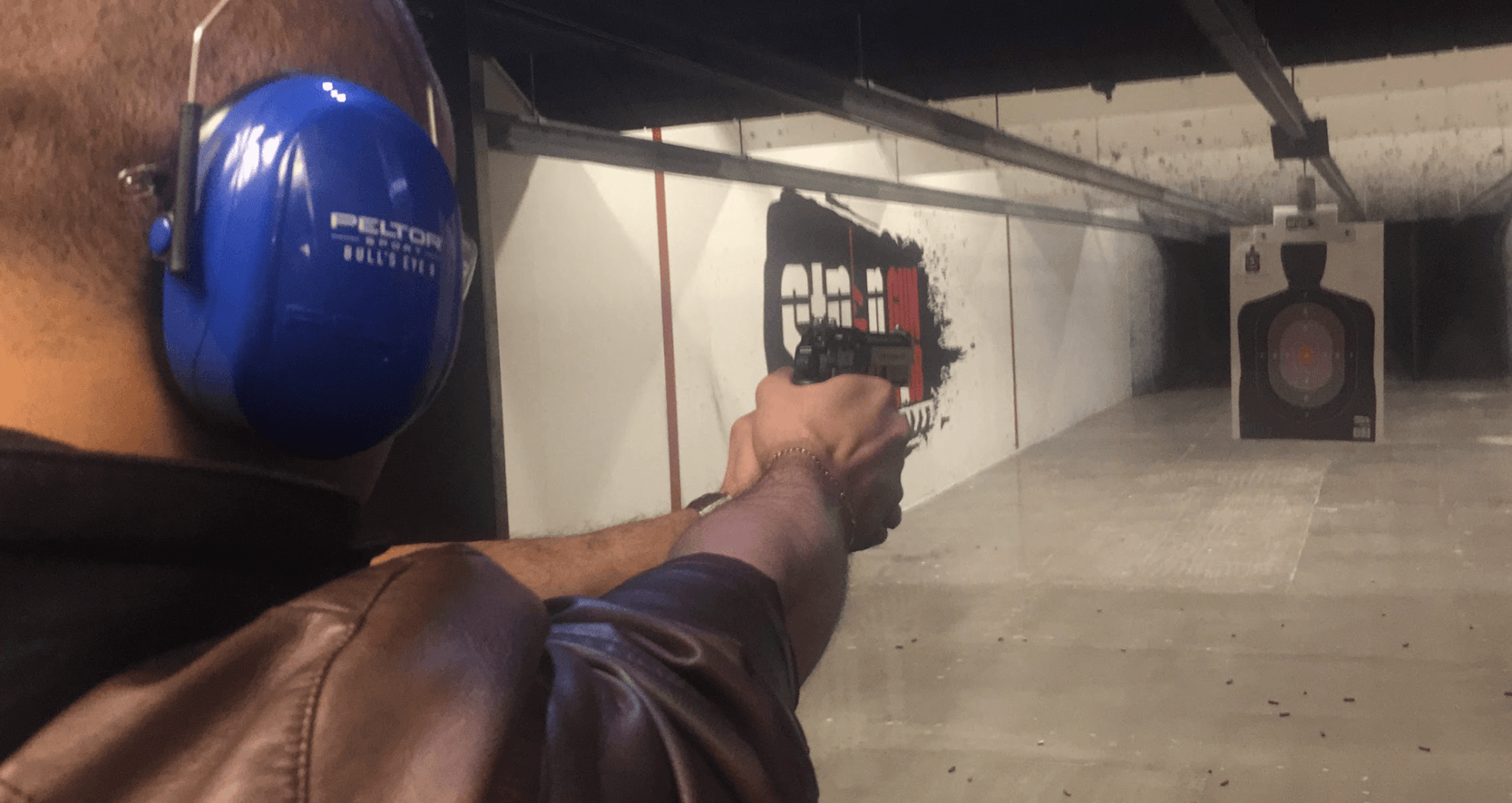
One often-overlooked factor in the 9mm vs 40 caliber debate is platform wear. The .40 S&W operates at higher pressures than the 9mm, which means more stress on the firearm. Many guns originally designed for 9mm and then chambered in .40 S&W have shown accelerated wear and occasional reliability issues. This is another reason many agencies have moved away from the .40 S&W cartridge.
9mm vs .40 Cal: Choosing the Right Handgun for You
Selecting a handgun for self defense involves more than just picking a caliber. The way the firearm fits your hand, the trigger pull, sight picture, and reliability all matter as much as the cartridge it fires. A poorly fitting pistol in either caliber will perform worse than a well-fitting one in the so-called lesser caliber.
For new shooters especially, starting with a 9mm pistol makes sense. The reduced recoil allows beginners to focus on fundamentals like sight alignment, trigger control, and grip pressure without flinching at every shot. Once those fundamentals are solid, transitioning to the .40 S&W is much easier. Many trainers recommend that anyone new to handgun shooting start with the 9mm regardless of which cartridge they ultimately plan to carry daily.
Concealed carry adds another layer to the decision. A subcompact .40 S&W produces sharp recoil that many shooters struggle to control during rapid fire. The same handgun in 9mm is far more shootable. For everyday carry, where your firearm rides on your hip or in a pocket holster, manageable recoil is a practical advantage that translates directly into the ability to land hits when it counts most.
The weight of the firearm also affects perceived recoil. A heavier pistol absorbs more of the cartridge’s energy, reducing the impulse felt by the shooter. A full-size steel-frame .40 S&W is far more pleasant to shoot than a polymer-frame subcompact in the same caliber. The best way to feel this difference yourself is to try shooting multiple pistols side by side before committing to a purchase. If you’re committed to the .40 S&W for carry, choosing a slightly heavier pistol can make a meaningful difference in shootability.
Self Defense Considerations
For self defense, both calibers are effective when paired with quality hollow-point ammunition. The choice often comes down to what you can shoot most accurately and confidently. Before settling on either caliber, many shooters benefit from building a custom range session that includes both 9mm and .40 S&W pistols so they can compare the recoil and feel directly. If you can handle the .40 S&W’s recoil and prefer the heavier bullet, it remains a capable self defense cartridge. If you prefer easier shooting, more capacity, and cheaper practice ammo, the 9mm is the smart choice for personal protection.
Modern Terminal Performance of Defensive Loads
Modern self defense ammunition has largely neutralized the terminal ballistics gap between the two. A premium 9mm hollow-point will expand to nearly the same diameter as a .40 S&W round and penetrate to similar depths, with the 9mm’s higher velocity helping drive consistent expansion through clothing and barriers. The performance gap that once existed has narrowed dramatically when comparing 9mm vs 40 caliber modern loadings.
Premium defensive bullets like the Federal HST, Speer Gold Dot, and Hornady Critical Duty have transformed both calibers into reliable performers. These modern bullets feature advanced jacket designs that deliver consistent expansion across various barrier types, giving the 9mm bullet performance and stopping power that was once the exclusive territory of larger calibers.
Final Thoughts on the Two Calibers
So which wins the 9mm vs 40 debate? For most shooters today, the 9mm is the better all-around choice. It offers higher capacity, lower recoil, cheaper ammunition, and equivalent terminal performance with modern loads. The .40 S&W still has a place for shooters who prefer the heavier bullet and don’t mind the additional recoil, but its dominance has clearly faded.
Whatever caliber you choose, remember that shot placement matters more than any other factor. The best handgun cartridge is the one you can fire well, carry comfortably, and afford to practice with regularly. Both the 9mm and the .40 S&W can serve well for personal protection. The difference between them is smaller than internet debates suggest, and the right choice depends on your individual needs, training, and preferences.
Interested in more caliber comparisons? Check out our deep dives on: