

Shooting Range Tips: How to Shoot Better and Stay Safe
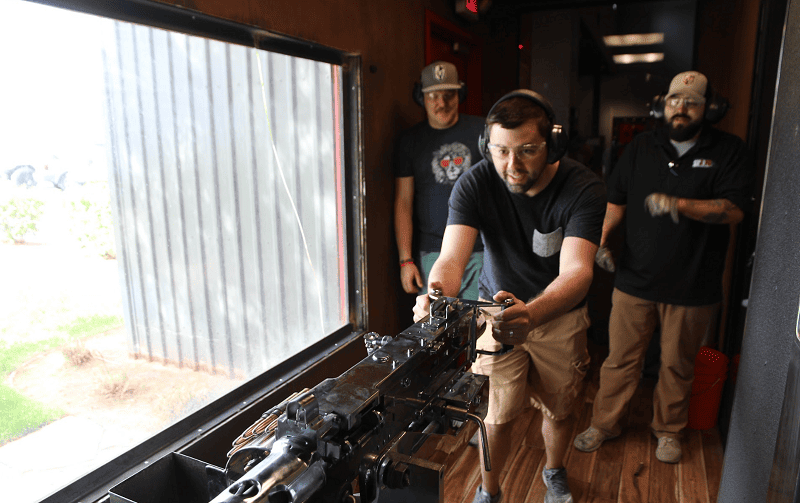
Time at a shooting range is one of the best ways to build real skills with a firearm. Whether you are brand new or you have already put plenty of rounds downrange, a few smart shooting range tips will sharpen your shooting accuracy, keep everyone safe, and make the session more fun. Below are the shooting range tips we share most often with guests, covering safety, the core skills, and the kind of consistent practice that turns effort into results.
1. Start With Firearm Safety
Before any other shooting range tips matter, firearm safety comes first. The basic safety rules are simple, and they apply to every firearm, every time. Treat every firearm as if it is loaded, even when you are sure it is not. An unloaded weapon has caused plenty of accidents, so check, then check again. Keep the gun pointed in a safe direction, never at anything you do not intend to shoot. And keep your finger off the trigger until your sights are on the target and you are ready to shoot.
That last point is worth repeating. Keep your finger indexed along the frame, outside the trigger guard, until you decide to fire. A pistol is ready to fire the instant the trigger moves, so make that discipline automatic from your very first visit. A well-run Las Vegas shooting range reinforces all of this with trained staff and clear range rules.
Ranges add their own structure on top of those four rules. Handling firearms is only allowed at designated firing lines. Range Safety Officers (RSOs) enforce rules and ensure safety at shooting ranges. Listen to them and ask whenever you are unsure. Range protocols include calling ‘Cease Fire’ to immediately stop shooting. Staff can then pause the action and fix a problem safely.
Protect your senses too. Eye protection guards against ejected brass and debris. Ear protection matters just as much: a single gunshot can exceed 140 decibels, the level NIOSH identifies as the threshold for hearing damage, and many firearms reach 160 decibels or higher. Good ear protection reduces noise and prevents flinching. Both are basic gear, and you should be comfortable at any shooting range knowing they are required.
2. Build a Strong Grip and Stance
Once safety is second nature, your grip carries the rest. A firm, high grip on a pistol gives you control over recoil and helps the pistol settle quickly after every shot. Wrap your dominant hand high on the backstrap, fill the gap with your support hand, and squeeze evenly from both sides. A firm grip lets you drive the weapon instead of fighting it, while a weak grip lets recoil throw the muzzle off line and ruins your accuracy. Every firearm has its own feel, so spend a little time learning it.
Your stance should be balanced and athletic: feet about shoulder width apart, weight slightly forward, knees soft. A stable base lets you absorb the kick and return to point of aim quickly, whether you are shooting a handgun for self defense practice or a full size rifle.
3. Focus on Sight Alignment and Trigger Control
Good target shooting comes down to two skills: sight alignment and trigger control. Get both right and your accuracy climbs quickly.
Sight alignment means lining up the front and rear sights evenly. On most pistols, the front sight sits centered in the rear sights notch, with even light on each side and the tops of the sights level. Now focus your eyes on the front sight, not on the bullseye downrange. The bullseye should blur slightly while that front blade stays crisp. That single change in focus is one of the most effective shooting range tips for new shooters who keep missing the mark.
The trigger press is the other half. Press the trigger straight back with steady, growing pressure so the shot almost surprises you. Slapping or jerking the trigger drags the muzzle off line at the worst moment. Smooth, repeatable pressure keeps your sights aligned through the break, and it is the difference between calm shooters and frustrated ones.
4. Practice the Right Way to Improve Accuracy
Real shooting skill comes from consistent practice, not one lucky session. Learning how to properly hold a handgun and starting with smaller caliber firearms like .22 LR are solid first steps. Pistols are the most common starting point for new shooters, and the ones who improve fastest are those who practice regularly and build good habits from day one. Smaller caliber firearms like .22 LR are easier to handle. A 9mm pistol is user-friendly for beginners. Both produce less noise and give a beginner less to think about early on.
Dry firing is one of the most underrated tools you have. With an unloaded firearm, the gun pointed somewhere safe and double checked, you can rehearse your grip, sight alignment, and a clean press as often as you like. Dry firing builds the muscle memory that pays off during live firing, and it costs nothing.
When you do fire live rounds, start close. Begin at a short distance, get the basics right, then move the target back as your groups tighten. Trying to shoot from too far out before you own the basics only breeds frustration. Honest reps at a comfortable distance will improve accuracy faster than a box of ammo dumped at the back wall.
Even experienced shooters gain from circling back to the basics. Slow, deliberate reps with a clear focus on one thing at a time will improve accuracy and build confidence that holds up under pressure. A handful of focused rounds beats a hundred careless ones.
5. Make the Most of Your Range Visit
A few extra tips make any range trip smoother. Valid government-issued photo ID is required to enter shooting ranges. Visitors must be sober before entering shooting ranges. If you are unsure how to dress, our guide on what to wear to a shooting range covers the essentials so you stay comfortable and safe. Wear closed-toe shoes and appropriate clothing at shooting ranges. First timers visiting Las Vegas usually have questions before they book, so our rundown of the top questions guests ask answers the common ones. Users must clean up after their shooting sessions at ranges. Plan to leave your lane the way you found it. Every gun range runs a little differently, but these shooting range tips travel anywhere, and it is worth reading up before visiting. Whether you plan to purchase a firearm of your own one day or just want to shoot for fun, the same principles apply.
At Strip Gun Club, every package includes a professional range safety officer, protective eyewear, earmuffs, targets, and ammunition, so new shooters can focus on learning and build confidence while experienced shooters enjoy the arsenal. Indoor ranges allow shooting regardless of weather conditions. Many indoor ranges offer sound management to reduce noise levels. Indoor shooting ranges often provide firearm rentals for beginners. You do not need to own anything to get started. You can shoot pistols, rifles, shotguns, and fully automatic firearms in a clean indoor shooting range right on the Strip, with a free shuttle from your hotel. You can even purchase a package online in a couple of minutes, and you are welcome to try different firearms across our packages.
Whatever your experience level, the same shooting range tips apply: respect the range rules, master the basics, and treat every range trip as a chance to get better. Do that, and every visit gets better.
Ready to put these tips into practice? Check out our most popular beginner-friendly shooting packages below.